




Why Hasn't AI Fixed Radiologist Burnout?
AI hasn't fixed radiologist burnout because the biggest drain isn't image interpretation. It's fragmented worklists, manual triage and chasing images across disconnected systems. A JAMA Network Open study even tied AI use to higher burnout when tools added friction. Relief comes from removing administrative work through seamless image sharing and smarter workflows.
Share


Table of contents
The average radiologist interprets an image every three to four seconds over an eight-hour shift. Sustained day after day, that pace looks more like an endurance sport than a medical practice. According to Radiology Unlocked: The Global Radiologist Report 2025, more than half of radiologists name burnout as their greatest professional concern, edging out the workforce shortage.
How Widespread Is Radiologist Burnout?
- Self-Reported Burnout: A survey in Diagnostic Imaging found 44% of male radiologists and 65% of female radiologists report burnout, and some studies place the overall figure above 80%.
- Turnover Cost: The American College of Radiology estimates burnout-related turnover costs health systems about $500,000 per departing radiologist.
- A Self-Reinforcing Cycle: Overwhelmed radiologists leave or cut hours, which raises pressure on those who stay.
Is the Radiologist Shortage Getting Worse?
The US has about 37,500 practicing radiologists, roughly 1,500 fewer than needed, and research published in HealthManagement projects the gap could more than double to 3,100. Only 29 new radiology residency spots were added between 2021 and 2025. Meanwhile, an aging population, with about 20% of Americans on Medicare, and rising chronic disease keep volumes climbing.
Can AI Close the Gap?
AI has made real strides. Hundreds of models have FDA approval for tasks from pneumonia detection to breast cancer screening, and some estimates suggest AI could handle up to 53% of current radiologist workloads. Still, the shortage hasn't eased, residency programs aren't keeping pace and salaries keep rising.
Can AI Make Burnout Worse?
It can. A study in JAMA Network Open found AI use was associated with increased burnout, especially among radiologists with heavy workloads or low acceptance of the technology. Poorly integrated AI adds friction to an already overloaded workflow. The lesson: AI applied without workflow integration can become part of the problem.
What Actually Drives Radiologist Burnout?
- Multiple Worklists: Radiologists navigate separate worklists across different PACS.
- Manual Triage: Incoming studies need to be sorted by hand, with uneven caseload distribution.
- Logistics Over Diagnosis: VPNs, physical media and disconnected systems eat clinical hours that should go to reading.
Why Does Reducing Friction Matter for Patients, Providers and Health Systems?
- Patients Get Timely, Accurate Reads: Radiologists with the right priors and less distraction can focus on diagnosis.
- Radiologists Spend Time on Medicine: Removing administrative drag returns hours to the work they trained for.
- Health Systems Keep Their Radiologists: Reducing preventable burnout helps avoid turnover costs and backlogs that force service cuts.
How Does Medicom Help?
Medicom targets the upstream obstacles that pile up before a single image is interpreted. Standardizing image exchange on one platform eliminates the patchwork of VPNs, physical media and disconnected systems. One health system client said Medicom simplified internal workflows while managing the complexity of a large external network. Read the full post, The Burnout AI Can't Fix, or compare notes with our team.
Frequently Asked Questions
What percentage of radiologists are burned out?
Diagnostic Imaging reported burnout in 44% of male and 65% of female radiologists, and some studies put the overall rate above 80%.
How big is the radiologist shortage?
The US has about 37,500 practicing radiologists, roughly 1,500 fewer than needed, and the gap is projected to grow to 3,100.
Does AI increase radiologist burnout?
A JAMA Network Open study associated AI use with higher burnout, especially when workloads were heavy or acceptance was low and the tools weren't well integrated.
How much does losing a radiologist cost?
The American College of Radiology estimates burnout-related turnover costs about $500,000 per departing radiologist.
What reduces radiologist burnout fastest?
Removing administrative friction: seamless image sharing, fewer separate worklists and less time spent chasing outside studies.
More Answers
Answers
Does the Size of an Image Exchange Network Matter?
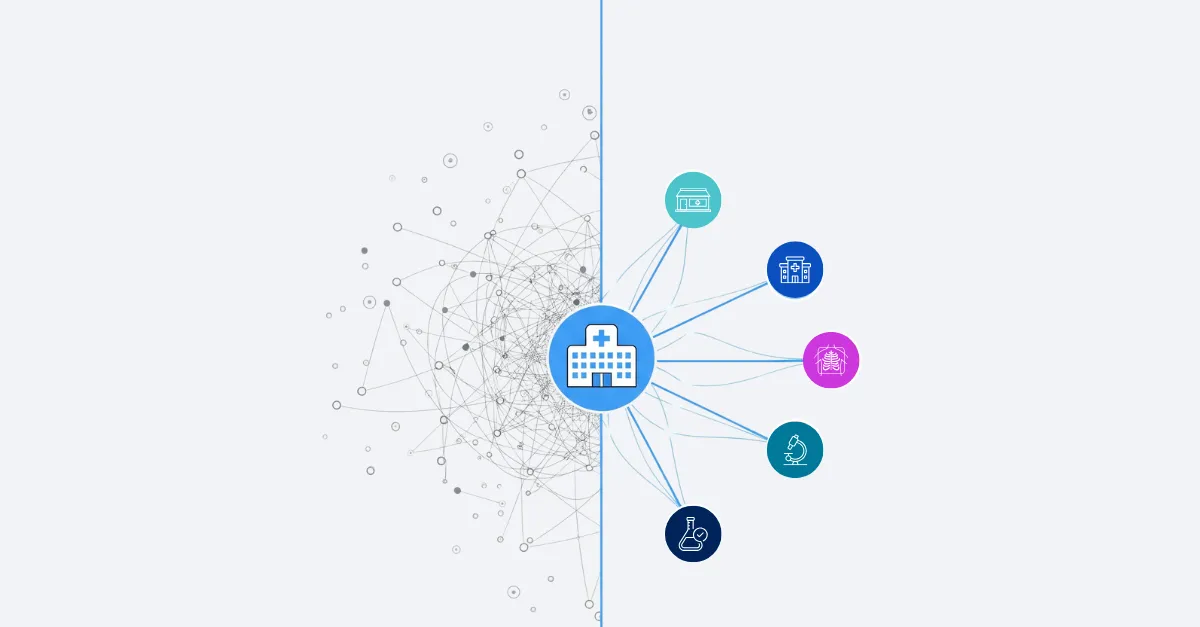
Less than vendors suggest. A long list of connected sites doesn't help if those connections still require manual requests and waiting. What matters is whether your key referral partners are connected reliably, whether exchanges run automatically and whether imaging lands directly in the EHR. Quality and automation beat sheer network size.
Answers
How Does SMART on FHIR Close the Imaging Interoperability Gap?
FHIR gives EHRs, VNAs and other systems a common language for exchanging health data, and SMART on FHIR lets clinicians securely launch imaging apps from inside the patient chart. Together they close interoperability's last mile: the gap between imaging that's available somewhere and imaging that's actionable at the point of care.

Answers
How Can AI Replace Manual Procedure Mapping for Prior Imaging Retrieval?
A large language model trained on radiology procedures can understand what an exam means instead of relying on rigid code maps. Medicom Smart Search uses an LLM trained on more than 50 million radiology procedures to find relevant priors for upcoming appointments, works after an HL7 connection without months of mapping and adapts when compendiums change.
Your Plan for Enterprise Imaging Interoperability
Talk to one of our experts to plan your interoperability strategy, explore workflows, or get a personalized demo. We’re here to help.
