

.svg)



Blog
The Growing Case For Lung Cancer Screening
For the U.S. veteran population, the stakes are especially high. With nearly 8,000 veterans diagnosed each year, Veterans Affairs has identified access to screening as a top-tier clinical priority.


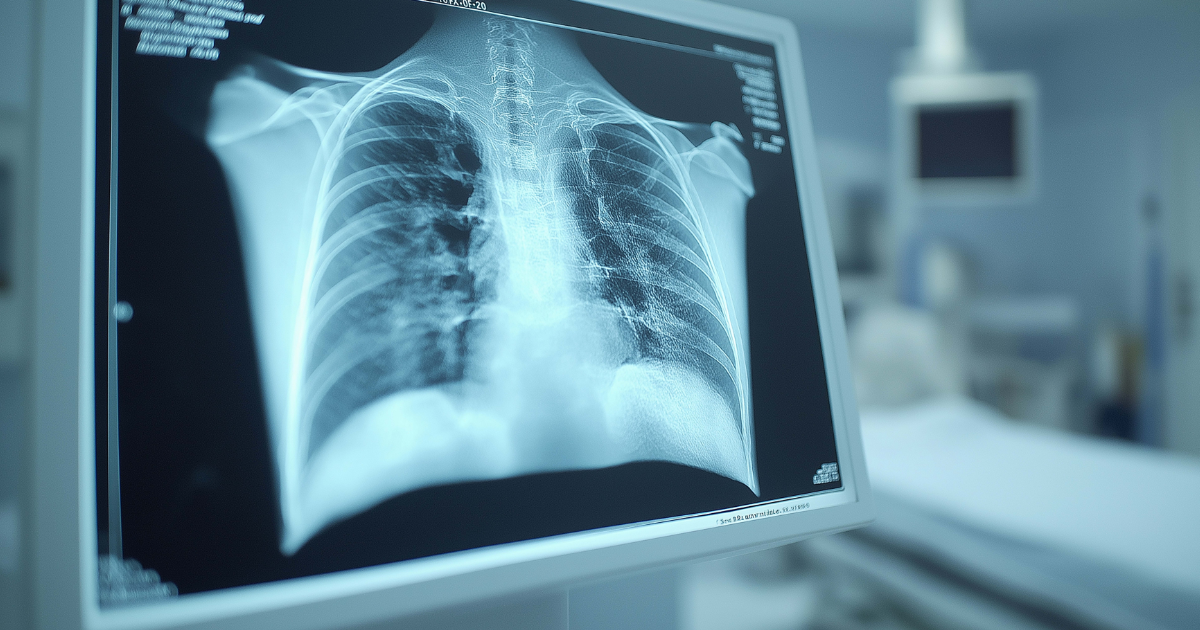
Low-dose CT (LDCT) lung cancer screening has transitioned from a specialized tool to a vital part of preventive medicine. More than half of patients may show no symptoms at the time of diagnosis, which makes early detection a critical advantage that may turn life-threatening news into a manageable condition with a high potential for long-term survival. And many more people could benefit from the scan: Currently, only 8% to 20% of eligible adults in the U.S. have actually been screened. By comparison, colon cancer screening adoption is around 70%, and breast cancer screening is roughly 75%.
The Life-Saving Impact of Early Detection
For the U.S. veteran population, the stakes are especially high. With nearly 8,000 veterans diagnosed each year, Veterans Affairs has identified access to screening as a top-tier clinical priority.
The urgency of this screening is underscored by the fact that lung cancer is the leading cause of cancer deaths in the U.S. According to a 2026 report by the American Cancer Society, three out of four people are currently diagnosed at an advanced stage when the disease is much harder to treat.
- When detected through LDCT at Stage IA, the five-year survival rate can be upwards of 90%, compared to just 20% for Stage III.
- Stage I lung cancer is highly treatable and often results in a full recovery, sometimes requiring only a brief outpatient procedure.
- To support this shift toward early intervention, Medicare expanded eligibility for annual LDCT screenings to include adults aged 50 to 80 with a 20 pack-year smoking history.
A Diagnostic Bonus: Secondary Findings
Modern lung imaging provides a window into a patient’s broader physiological health. Scans frequently uncover clinical abnormalities outside the lungs that require medical intervention. The prevalence of these discoveries is significant; A 2025 study from the International Lung Screen Trial revealed that 72.8% of baseline scans contained at least one incidental finding, with more than 10% requiring immediate clinical follow-up.
While colon cancer screenings are highly effective at a single target, a lung scan allows radiologists to assess heart and bone health through cross-sectional images of the whole chest cavity. Research published in JAMA Network Open indicates that these findings often serve as early indicators for other serious conditions. By functioning as a sentinel for total health, the screening catches risks across multiple organ systems before they progress into late-stage crises.
The Invisible Engine: How Operational Infrastructure Powers the Clinical Win
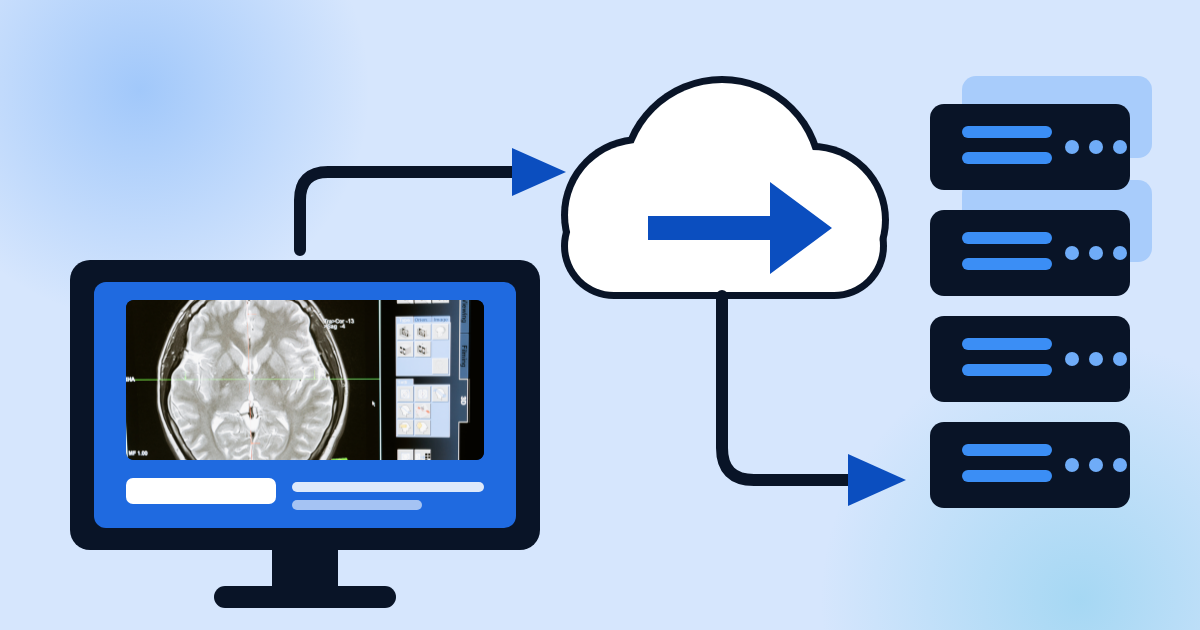
This wealth of data may create a challenge: When scans reveal findings that require follow-up, operational infrastructure plays a quiet but vital role. Medicom’s secure data exchange platform connects disparate systems, freeing clinicians to spend less time on administrative hurdles and more time on high-stakes diagnostic decisions.
Medicom is proud to support the Department of Veterans Affairs in its mission to deliver seamless care. As the established standard for image exchange across the majority of the Veterans Health Administration, our platform ensures a secure, high-speed bridge between federal facilities and community care partners, eliminating the civilian care gap.
Related articles

Blog
The Hour Nobody Measures: Why Faster Prior Imaging Pays Off Far Beyond the ED
Research ties quicker access to outside patient information to shorter stays, fewer scans, fewer admissions and lower charges. Prior imaging is where the gap is widest.

Blog
Swap Tedious Detective Work for a Unified Intake Queue
Managing external image exceptions through a centralized review process allows staff to resolve demographic mismatches without delaying clinical care.
Blog
What Are the Odds Two Hospitals Describe the Same Scan the Same Way? Worse Than You'd Think.
The Hurdle Isn't Sharing DICOM Files, It's Getting Receiving Systems to Understand Them
Your Plan for Enterprise Imaging Interoperability
Talk to one of our experts to plan your interoperability strategy, explore workflows, or get a personalized demo. We’re here to help.
